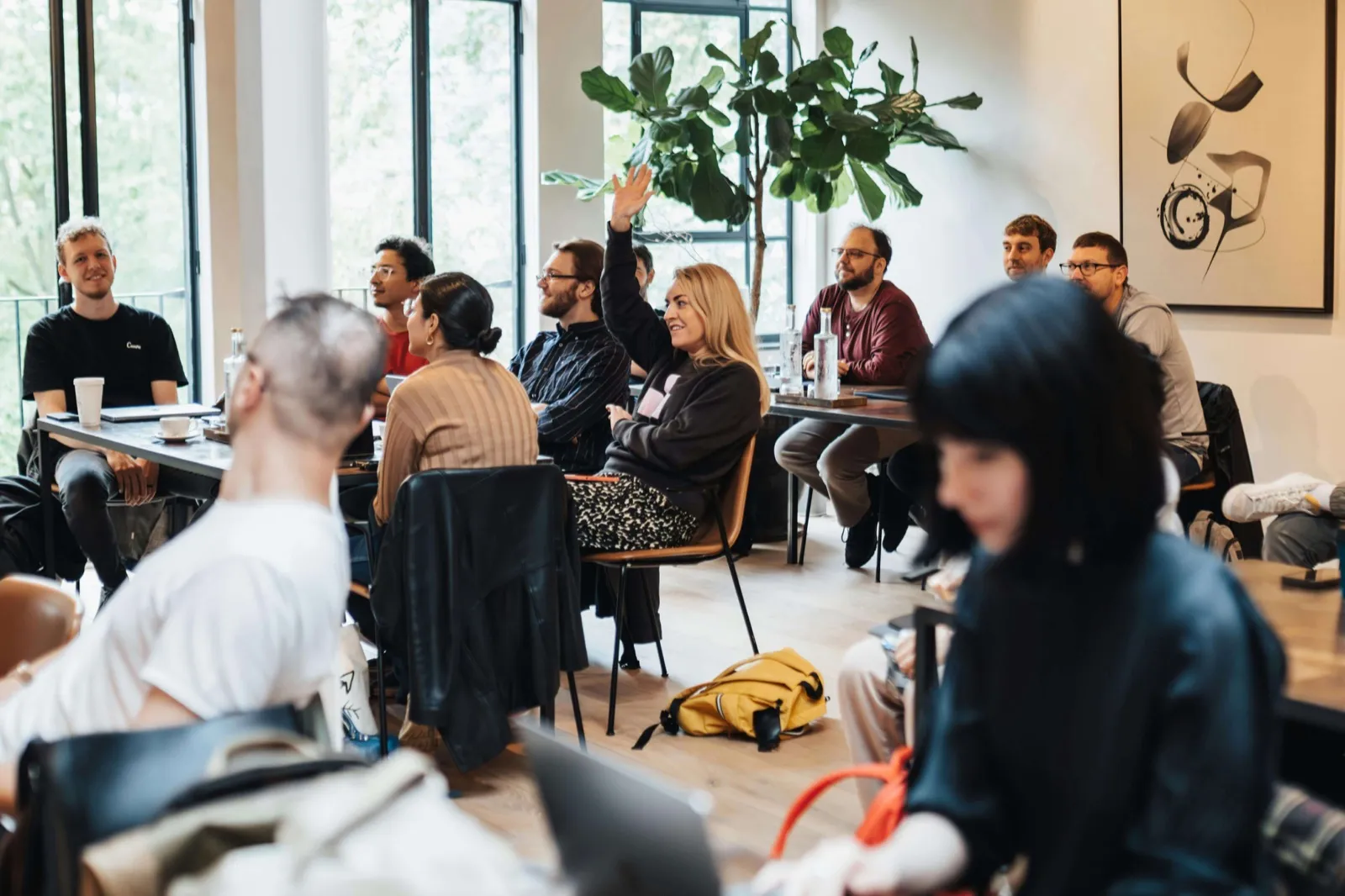
Networking has always been about connection — people meeting people, exchanging ideas, and building opportunities. But in recent years, the format of these interactions has evolved faster than ever. The professional world is no longer bound to hotel conference rooms or local mixers. Networking now happens across hybrid spaces, interactive platforms, and digital ecosystems where relationships can begin with a single click and grow through ongoing engagement.
At ChamberedIn, we’ve watched this shift up close. What once were annual events have become continuous experiences, blending physical and digital spaces. The future of networking events is being shaped by flexibility, personalization, and technology that enhances — rather than replaces — human connection.
The Rise of Hybrid Connection
One of the biggest changes in networking is how accessible it has become. Hybrid events have made it possible for professionals to connect regardless of location or schedule. A single gathering can now bring together people across cities or even continents. The power of this format lies in inclusivity. It opens doors for those who may not have been able to travel or commit to in-person attendance, yet still want to contribute meaningfully.
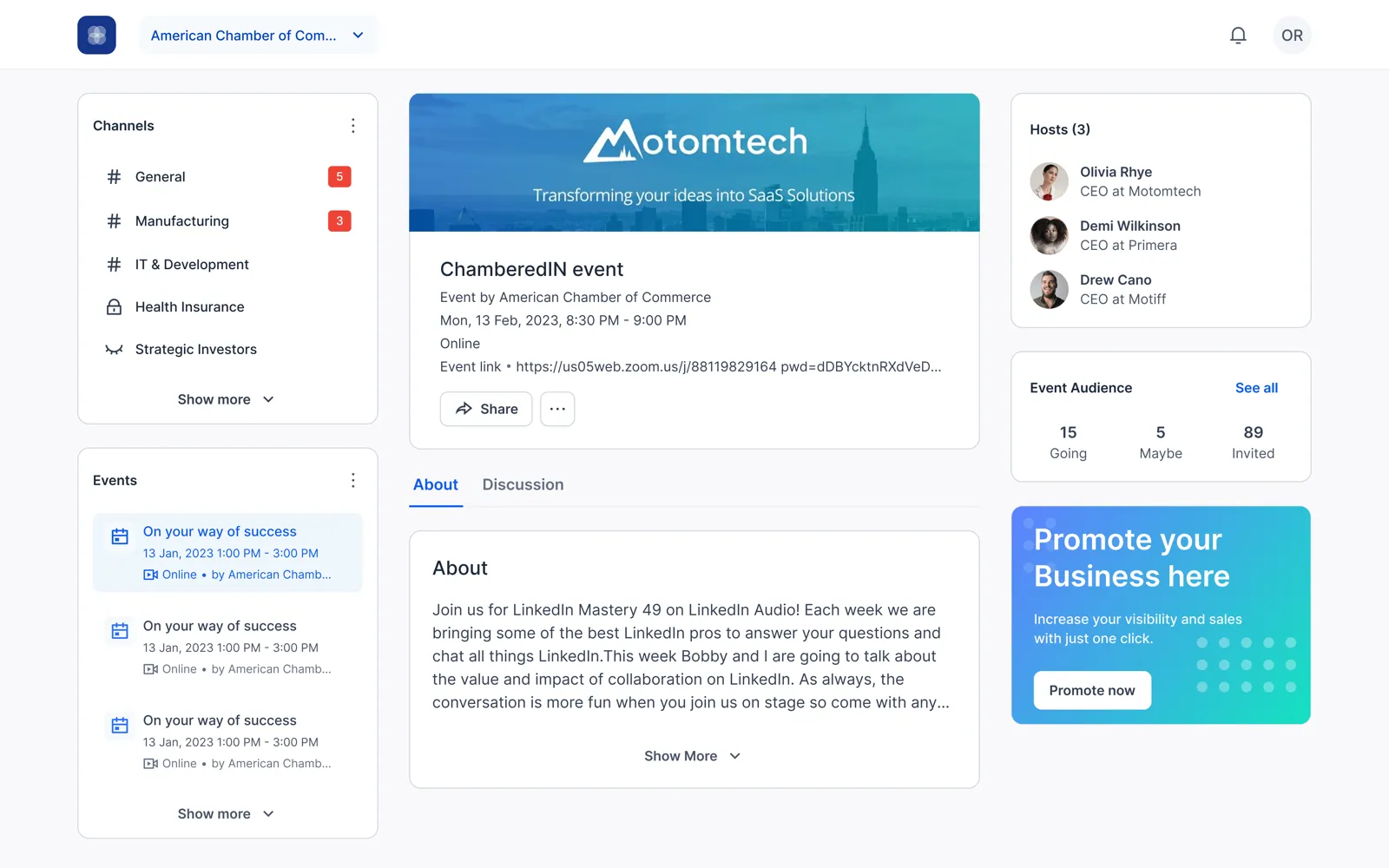
Hybrid networking also redefines how relationships are maintained. The event itself is only one part of the experience. What happens afterward — the discussions, follow-ups, and collaborations — often carries more weight. That’s why platforms like ChamberedIn are designed to keep the conversation going. Members can connect during live sessions and then stay in touch through channels, messages, and ongoing community spaces. It’s networking that continues beyond the calendar.
From One-Time Events to Continuous Experiences
Traditional networking events used to have a clear beginning and end. You’d arrive, exchange business cards, attend sessions, and go home hoping to follow up later. But today’s professionals expect more. They want ongoing value — not just introductions, but relationships that evolve.
The most forward-thinking Chambers and professional networks have already embraced this mindset. They’re building ecosystems where events act as milestones rather than isolated moments. Members don’t just attend once; they participate throughout the year through webinars, digital roundtables, and discussion threads that connect back to in-person gatherings.
In ChamberedIn, this continuous experience is built into the platform. Every event becomes part of a larger network story. Attendees can stay engaged through shared posts, member spotlights, and real-time updates that make networking feel alive long after the event ends. The result is a culture of connection that never really stops.
Personalization Takes the Stage
As technology evolves, so do attendee expectations. Gone are the days when everyone received the same schedule and attended the same talks. People now want experiences that reflect their goals and interests. Personalization has become central to the success of modern networking events.
Whether it’s through tailored content, curated introductions, or custom session recommendations, event organizers are learning to design experiences that feel relevant to every participant. The goal is not just to attract attendees but to make them feel seen. When participants feel that an event understands their needs, they’re more likely to engage deeply and return.
With ChamberedIn, personalization happens naturally. The platform helps organizers understand member preferences and engagement patterns, allowing them to design events that match their community’s unique interests. It’s about replacing generic experiences with meaningful encounters that build stronger professional relationships.
The Blending of Technology and Emotion
Technology has made networking easier, but it has also introduced a new challenge — keeping the human element alive. The most successful networking events of the future will not just use digital tools but humanize them. It’s not about replacing handshakes; it’s about enhancing them with smart, inclusive design.
Tools like live polls, virtual breakout rooms, and community chat spaces help bridge the gap between physical and digital interactions. They create intimacy in large gatherings and make every voice heard. But the real secret is empathy — using technology to make people feel welcome and valued, no matter where they are joining from.
This is exactly the philosophy behind ChamberedIn. Its event features are built to amplify engagement while preserving authenticity. Members can connect through direct messaging, react in live discussions, and follow each other’s updates. Every click leads back to human connection — the heart of networking itself.
Sustainability and Accessibility as Priorities
The future of networking events is not only about how people connect but also about how consciously they do so. Sustainability is becoming an essential part of event planning, as organizations seek to reduce travel, materials, and waste. Virtual and hybrid formats naturally support this goal, minimizing carbon footprints while maintaining global reach.
At the same time, accessibility has become a non-negotiable expectation. Inclusive design — from captioned sessions to flexible time zones and adaptive interfaces — ensures that everyone can participate meaningfully. Communities that prioritize accessibility aren’t just doing the right thing; they’re building stronger, more diverse networks.
ChamberedIn aligns with this future by supporting hybrid engagement models and digital inclusivity. Its mobile-first design ensures that members can join, engage, and network from anywhere. Whether attending from an office, a coworking space, or a coffee shop, every professional has equal opportunity to connect and contribute.
The Evolving Role of Event Hosts and Organizers
As networking evolves, so does the role of those who lead it. Event organizers are no longer just planners; they are facilitators of connection. Their success depends not only on logistics but also on creating an environment where relationships can flourish. This shift requires empathy, adaptability, and a deep understanding of what members value most.
Leaders who use tools like ChamberedIn have an advantage. They can access insights about engagement levels, attendee interests, and event performance. With that data, they can fine-tune future experiences to match what truly resonates with their community. The result is a cycle of improvement that keeps the Chamber’s events feeling fresh, meaningful, and people-centered.
What the Future Really Looks Like
The future of networking events is neither purely physical nor purely digital. It’s hybrid, human, and dynamic. It’s about giving professionals the ability to connect on their own terms — where, when, and how they want. It’s about designing experiences that prioritize purpose over presence.
We are moving toward a world where every event is part of a broader ecosystem of interaction. Where data helps us understand members, and empathy helps us connect with them. Where technology isn’t just a tool but a bridge that strengthens relationships instead of replacing them.
At ChamberedIn, we believe this evolution represents the true future of professional networking. It’s not about reinventing connection — it’s about rediscovering it in a smarter, more inclusive way. The events that define the next decade will not be the biggest or the most expensive. They’ll be the ones that make people feel seen, connected, and inspired to keep coming back.